1. Navigating Low-Carbon Heating Technologies
Decarbonising space heating and domestic hot water is a central priority for homeowners, commercial landlords, and agricultural property operators. As grid electricity grows cleaner and conventional oil and gas boilers face long-term regulatory phase-outs, two main technology pathways have emerged for off-grid and high-demand properties: electrified heat pumps and biofuel or biomass heating systems.
While both solutions offer substantial carbon savings over legacy fossil fuels, they rely on entirely different operational physics, installation footprints, and supply logistics. Choosing between an air or ground source heat pump and a biomass or drop-in biofuel (HVO) setup depends heavily on building age, thermal insulation, available land, and ongoing fuel storage preferences.
2. Technical Comparison: Operational Mechanics and Efficiency
The core distinction between heat pumps and biofuel systems lies in how thermal energy is delivered to the property.
Electrified Heat Pumps (Air & Ground Source)
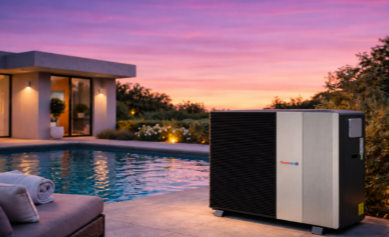
Heat pumps operate by transferring ambient heat from outside air or ground loops into the building’s internal heating circuit via a refrigeration cycle. Because they move existing thermal energy rather than creating it through combustion, heat pumps deliver a Seasonal Coefficient of Performance (SCOP) between 300% and 400% (or an SPF of 3.0 to 4.0). This means every 1 kWh of electricity consumed produces 3 to 4 kWh of usable heat.
Heat pumps perform at their peak when paired with low-temperature emitters, such as underfloor heating systems or oversized radiators, installed within well-insulated building envelopes.
Biofuel & Biomass Heating Systems
Biofuel options – ranging from automated pellet, log, and woodchip biomass boilers to liquid Hydrotreated Vegetable Oil (HVO) conversions – generate heat via direct thermal combustion. Modern biomass boilers achieve operational thermal efficiencies around 85% to 92%.
Because biofuel boilers deliver high flow temperatures (typically 65°C to 80°C), they serve as a direct drop-in replacement for traditional oil or gas boilers. They excel in larger period properties, stone cottages, or uninsulated agricultural outbuildings where lower-temperature heat pump systems might require extensive radiator and fabric insulation overhauls.
3. Side-by-Side System Matrix
| Feature / Criteria | Heat Pumps (Air & Ground Source) | Biofuel / Biomass Systems |
| Primary Energy Source | Grid Electricity & Ambient Heat | Wood Pellets, Chips, Logs, or HVO Liquid |
| Seasonal Efficiency | 300% – 400% (SCOP 3.0 – 4.0) | 85% – 92% Efficiency |
| Ideal Emitter Temperature | Low-to-Medium (35°C – 55°C) | High (65°C – 80°C) |
| On-Site Storage Requirement | Compact outdoor unit; no fuel storage | Dedicated dry fuel hopper/store or tank access |
| User Maintenance | Minimal (annual service check) | Routine (hopper top-ups, ash clearing, flue sweep) |
| Best Fit Property Profile | Moderately-to-well insulated urban or rural homes | Large rural estates, off-gas properties, solid-wall homes |
4. Capital Costs, Government Grants, and Financial Performance
Both heating pathways qualify for financial support and tax exemptions across Great Britain, though grant allocations differ:
- Boiler Upgrade Scheme (BUS): Eligible air source and ground source heat pump installations in England and Wales receive an upfront capital grant of £7,500 (with up to £9,000 for qualifying off-gas oil/LPG replacement properties). Biomass installations receive up to £5,000 in targeted, off-gas rural locations where zero-emission alternatives are unsuitable.
- 0% VAT Exemption: Supply and professional installation for both heat pumps and qualifying biomass boilers benefit from a 0% VAT rating across Great Britain.
- Running Cost Dynamics: Running costs for a heat pump depend heavily on seasonal efficiency and energy tariff selection. When paired with off-peak dynamic tariffs or on-site solar PV, heat pump heating costs can drop substantially below fossil fuel baselines. Biomass fuel costs depend on bulk pellet delivery contracts, remaining predictable but requiring active fuel logistics management.
5. Next Steps and Partner Solutions
Selecting the ideal heating technology requires a thorough room-by-room heat loss audit, property flow temperature assessment, and grant eligibility check. We collaborate with industry-leading installer networks, equipment suppliers, and energy tariff partners to help you transition smoothly:
- Turnkey Heat Pump & Heating Upgrades: Schedule a professional heat-loss assessment and secure MCS-certified installations for air and ground source systems via Glow Green, SolarFast, and BlueApe Renewables.
- Off-Grid Power & Backup Integration: Explore expandable, high-output battery systems with EcoFlow to keep critical circulating pumps, automated hoppers, and heating controls operational during off-grid power interruptions.
- Green Tariffs for Electrified Heat: Pair your low-carbon heating setup with 100% green electricity tariffs from Coop Energy to lock in dynamic, off-peak rates.
- Grant Navigation & Project Financing: Calculate net installation costs, confirm BUS grant eligibility, and manage your project budget using tools from EnergySavingCash.
For further technical guidance, system design support, or energy audit advice, please contact our team at info@energysaving.bio or visit https://energysaving.bio.
Disclaimer: Energy Saving Bio is a profit-oriented, knowledge-base, reader-supported resource. Some of the links on this page are affiliate links. If you click through and request a quote, purchase a system, or switch tariffs with our listed partners – such as Glow Green, EcoFlow, Coop Energy, SolarFast, EnergySavingCash, or BlueApe Renewables – we may earn a small commission at no additional cost to you. This supports our independent research and allows us to continue providing clear, unbiased energy guidance.